

Where We Work
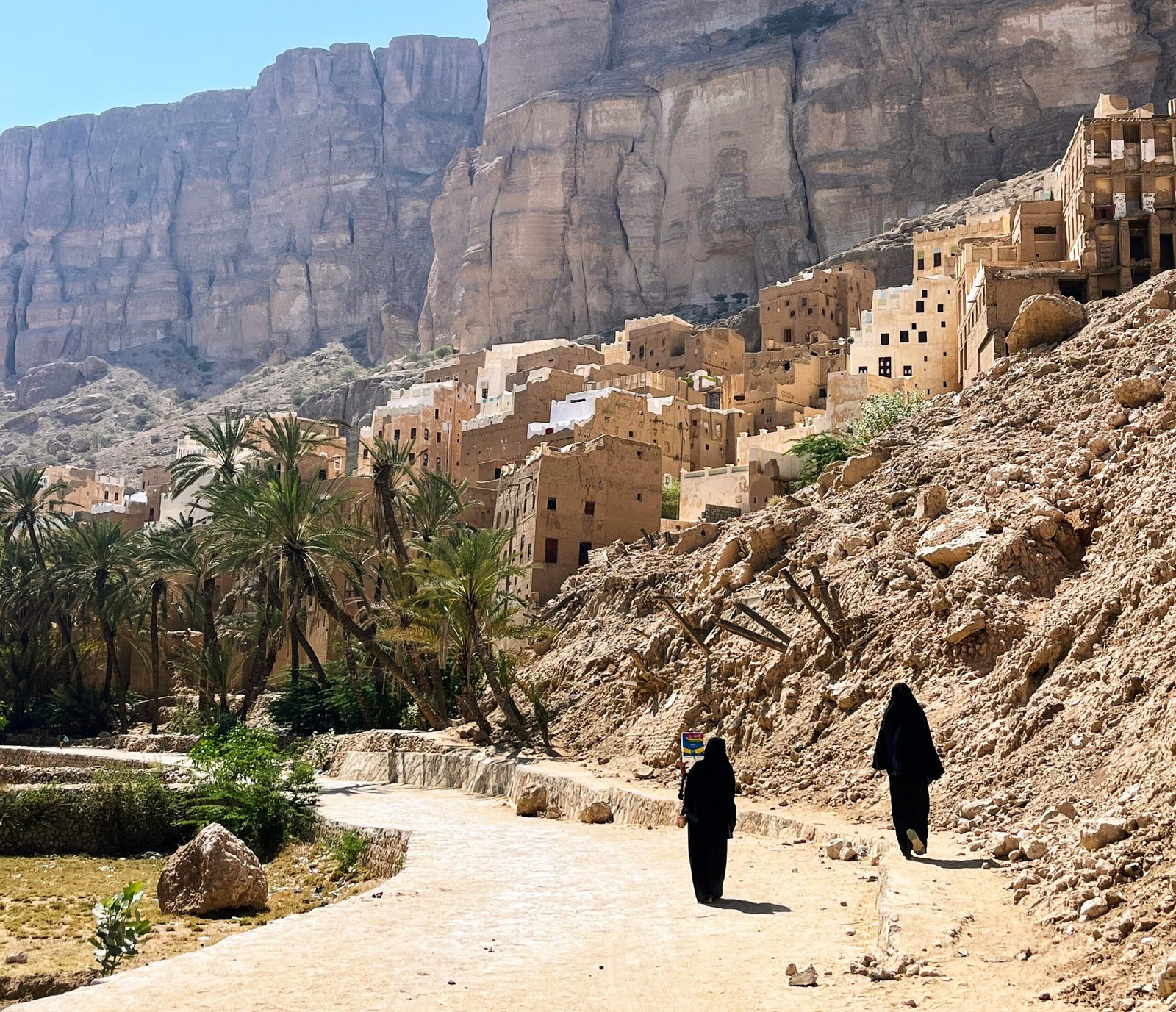
Masarat Foundation works primarily in Yemen, the poorest country in the Arab world and one of the most vulnerable countries globally. Long before the outbreak of the ongoing conflict in 2015, Yemen faced widespread poverty, food insecurity, limited economic opportunities, and weak public institutions. More than a decade of war has transformed these long-standing challenges into one of the world’s gravest humanitarian crises. According to the United Nations, nearly 20 million people -which represents half of the total population- require humanitarian assistance, while years of economic collapse, displacement, and deteriorating infrastructure have pushed millions deeper into poverty.
Public services have been severely impacted, with many schools no longer functioning and only about 59 percent of health facilities remaining fully operational. Millions of children have lost access to quality education, and countless families are unable to obtain even basic healthcare. The conflict has also displaced millions of people internally and severely undermined livelihoods, leaving communities increasingly dependent on humanitarian assistance.
Public services have been severely impacted, with many schools no longer functioning and only about 59 percent of health facilities remaining fully operational. Millions of children have lost access to quality education, and countless families are unable to obtain even basic healthcare. The conflict has also displaced millions of people internally and severely undermined livelihoods, leaving communities increasingly dependent on humanitarian assistance.
Women and girls have been disproportionately affected by the crisis. More than 9.5 million women and girls require humanitarian assistance, facing heightened risks of gender-based violence, child marriage, restricted access to education and healthcare, and severe economic hardship. Many have become the primary providers for their families while facing increasing barriers to employment, mobility, and participation in public life. Despite these challenges, women continue to play a vital role in supporting their communities and building resilience, making their empowerment through education, livelihoods, and leadership essential to Yemen’s long-term recovery.
Our programs focus on strengthening resilience where it is needed most by expanding educational opportunities, supporting vulnerable families, preserving Yemen’s rich cultural heritage, and improving access to essential services. Because women and girls are among those most affected by the crisis, they are at the center of our initiatives, including literacy and education programs, vocational training, and humanitarian assistance. We work closely with local communities and partners to ensure that our initiatives respond to locally identified needs, strengthen local capacity, and contribute to sustainable recovery.
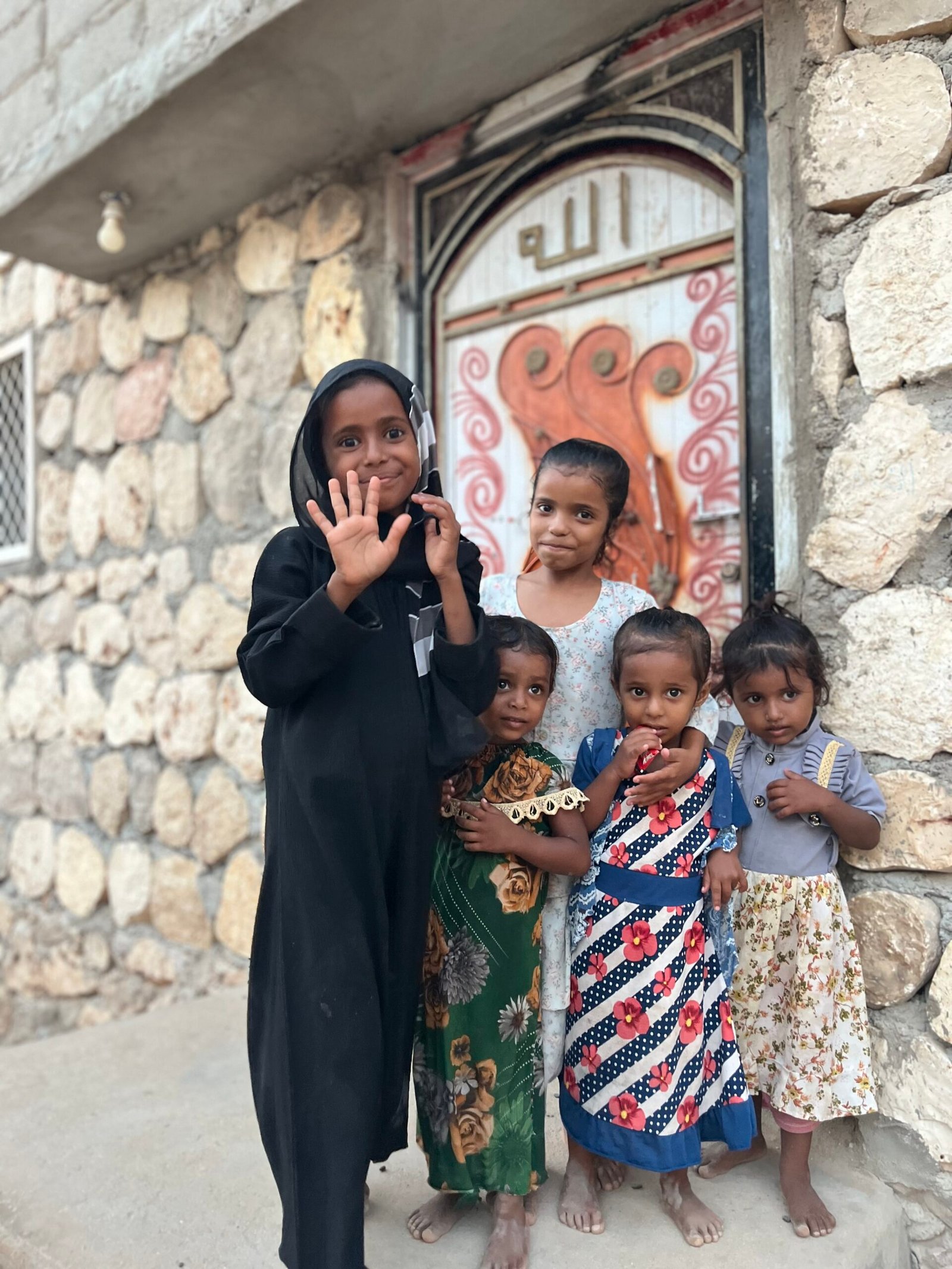
Our programs focus on strengthening resilience where it is needed most by expanding educational opportunities, supporting vulnerable families, preserving Yemen’s rich cultural heritage, and improving access to essential services. Because women and girls are among those most affected by the crisis, they are at the center of our initiatives, including literacy and education programs, vocational training, and humanitarian assistance. We work closely with local communities and partners to ensure that our initiatives respond to locally identified needs, strengthen local capacity, and contribute to sustainable recovery.
Masarat Foundation also operates in Egypt, home to one of the largest Yemeni communities outside Yemen. The country hosts an estimated 500,000 to 700,000 Yemenis, many of whom have sought safety, education, or specialized medical treatment unavailable at home. Cairo has become a vital destination for Yemeni families, particularly those traveling with children who require life-saving care that cannot be accessed because of the collapse of Yemen’s healthcare system. Through our work in Egypt, we support members of the Yemeni diaspora by helping families navigate medical care, providing social and humanitarian assistance, and strengthening community networks that preserve dignity, hope, and connection while they remain away from home.